Welcome to the official website of Cangzhou Hengjia Pipeline Co., Ltd.



Understanding Plate Flat Welding Flanges: A Comprehensive Guide for Industrial Applications
Release time:
2026-10-04
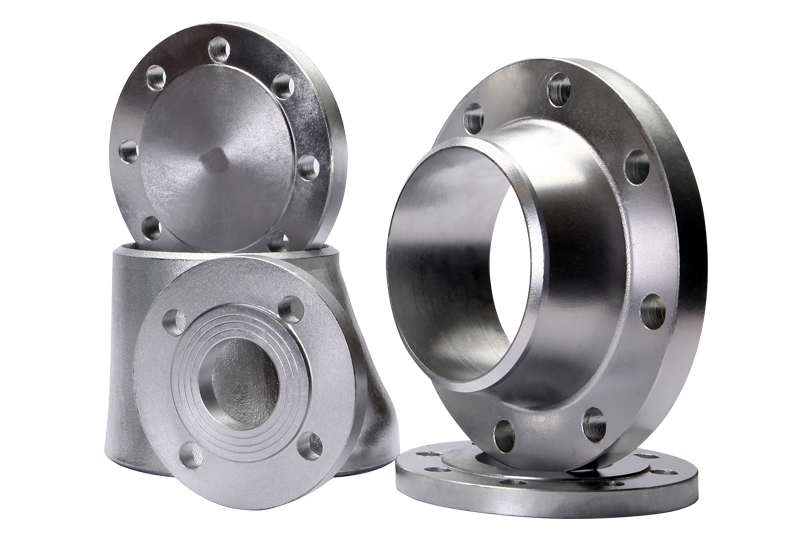
Plate flat welding flanges are crucial components in the industrial equipment and piping sector. They provide a reliable method for connecting pipes and ensuring leak-proof joints. These flanges are designed to be welded directly to the pipe's end, which allows for a smooth transition and minimizes potential flow restrictions in the system. Understanding their specifications, applications, and ins
**Key Characteristics of Plate Flat Welding Flanges**
Plate flat welding flanges are typically made from high-quality materials such as carbon steel, stainless steel, and alloy steel, chosen for their strength and corrosion resistance. The flanges come in various sizes and thicknesses, allowing for adaptability in different applications. A typical flange will feature a flat surface for welding, ensuring a strong bond with the pipe. Additionally, they can have different pressure ratings, which cater to various industrial environments and requirements.
**Applications in Industrial Settings**
These flanges are widely used in a range of applications, including oil and gas, chemical processing, water treatment, and HVAC systems. In oil and gas industries, for example, plate flat welding flanges are employed to connect pipelines that transport crude oil or natural gas under high pressure. Their robust design allows them to withstand the demanding conditions typical of such environments.
In chemical processing plants, the flanges facilitate the safe transfer of various chemicals, reducing the risk of leaks and enhancing operational safety. They are also common in water treatment facilities, where maintaining the integrity of the piping system is critical for ensuring clean water supply and environmental protection.
**Installation and Maintenance Considerations**
Proper installation of plate flat welding flanges is vital for achieving optimal performance. This process typically involves ensuring that the flange and pipe surfaces are clean and free from contaminants. The welding process should be carried out by skilled professionals who understand the specific requirements of the materials involved to avoid defects that could compromise the joint integrity.
Regular maintenance is also essential to ensure long-lasting performance. This includes routine inspections for signs of corrosion, wear, or other damage. Implementing a proactive maintenance strategy can extend the lifespan of the flanges and the entire piping system, thus reducing downtime and preventing costly repairs.
**Conclusion**
In summary, plate flat welding flanges are indispensable components in the industrial piping landscape, offering a secure and efficient means of connecting pipes. Their robust characteristics make them suitable for various applications, providing reliability and safety in the transportation of fluids. Understanding their properties and proper installation techniques can significantly enhance the overall performance of any piping system. By prioritizing quality and maintenance, professionals can ensure that their pipeline infrastructures remain efficient and durable for years to come.
Key words:
Related News

Contact Information
Address: Longtan Industrial Zone, Yanshan County, Cangzhou City, Hebei Province
Cangzhou Hengjia Pipeline Co., Ltd.
Cangzhou Hengjia Pipeline Co., Ltd. is located in Yanshan, Hebei Province, which is the sales branch of Hebei Longrun Pipeline Group Co., Ltd.

Pay attention to WeChat