Welcome to the official website of Cangzhou Hengjia Pipeline Co., Ltd.



Understanding Butt Welding Flanges: A Comprehensive Guide for Industrial Professionals
Release time:
2026-09-28
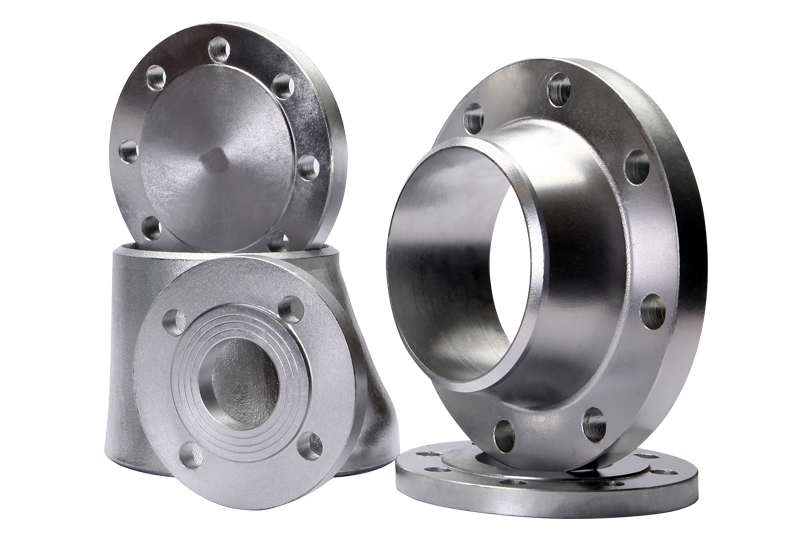
Butt welding flanges are integral components in the industrial pipeline sector, playing a crucial role in ensuring the integrity and reliability of piping systems. These flanges are designed for high-strength connections and are characterized by their ability to be welded directly to the ends of pipes, creating a smooth and seamless joint. This method not only offers a robust connection but also m
One of the primary advantages of butt welding flanges is their durability. The welding process creates a joint that is often stronger than the pipe itself, making it ideal for high-pressure and high-temperature applications. This is particularly beneficial in industries such as oil and gas, chemical processing, and power generation, where pressure and temperature fluctuations are common. Additionally, butt welding flanges can accommodate various materials, including carbon steel, stainless steel, and exotic alloys, making them versatile for diverse applications.
Installation of butt welding flanges requires careful consideration of the welding process and techniques. Proper alignment and preparation of the flange and pipe surfaces are vital to achieving a strong weld. Various welding methods, such as TIG (Tungsten Inert Gas) and MIG (Metal Inert Gas), can be employed, depending on the material and specific application requirements. It is essential for professionals to be well-versed in these techniques to ensure the integrity of the weld and, subsequently, the entire pipeline system.
In terms of maintenance, butt welding flanges require regular inspection to identify any potential issues such as corrosion or fatigue. While the welded joints are typically robust, external factors such as environmental conditions can affect their longevity. Implementing a proactive maintenance strategy can help mitigate risks and prolong the lifespan of the pipeline system.
Moreover, butt welding flanges contribute to the overall efficiency of pipeline systems. Their seamless design reduces turbulence and pressure drops, enhancing fluid flow and energy efficiency. This characteristic is particularly valuable in large-scale industrial applications where every aspect of efficiency can impact operational costs.
In summary, butt welding flanges are a vital component in the pipeline industry, offering durability, versatility, and efficiency. Understanding their construction, applications, and maintenance requirements is crucial for professionals working in industrial settings. By leveraging the advantages of butt welding flanges, companies can ensure the reliability and performance of their piping systems, leading to improved operational efficiency and reduced downtime.
Key words:
Related News
Contact Information
Address: Longtan Industrial Zone, Yanshan County, Cangzhou City, Hebei Province
Cangzhou Hengjia Pipeline Co., Ltd.
Cangzhou Hengjia Pipeline Co., Ltd. is located in Yanshan, Hebei Province, which is the sales branch of Hebei Longrun Pipeline Group Co., Ltd.

Pay attention to WeChat