Welcome to the official website of Cangzhou Hengjia Pipeline Co., Ltd.



Understanding Plate Flat Welding Flanges: Key Insights for Industrial Applications
Release time:
2026-07-06
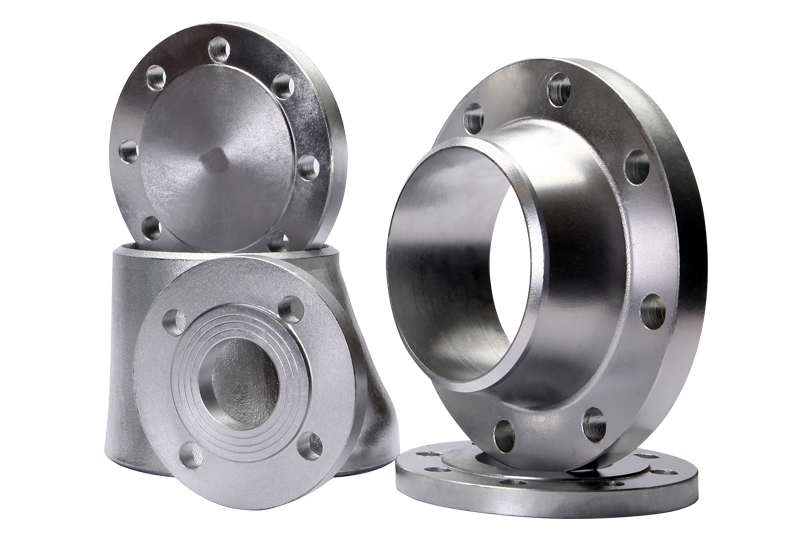
Plate flat welding flanges are critical components widely used in industrial piping systems. These flanges facilitate the joining of pipes, valves, and other equipment while ensuring a secure, leak-proof connection. Understanding the properties and applications of plate flat welding flanges can significantly enhance the efficiency and reliability of fluid transport systems. One of the primary adva
One of the primary advantages of plate flat welding flanges is their robust construction, which allows them to withstand high pressures and temperatures. These flanges are typically fabricated from various materials, including carbon steel, stainless steel, and alloy steel, making them suitable for diverse applications across industries such as oil and gas, chemical processing, and water treatment.
When selecting plate flat welding flanges, it's essential to consider the specific requirements of your project. Key factors include the size and thickness of the flange, the type of material used, and the operating conditions. For instance, in environments where corrosion is a concern, opting for stainless steel flanges might be beneficial due to their resistance to rust and chemical degradation.
The installation of plate flat welding flanges requires careful attention to detail. Proper alignment and welding techniques are crucial to achieving a strong bond. During installation, it's advisable to use appropriate welding methods, such as TIG or MIG welding, depending on the materials involved. Moreover, ensuring that the surfaces are clean and free from debris before welding will help prevent defects and ensure a high-quality seal.
Another essential aspect of plate flat welding flanges is their maintenance. Regular inspection of the welds and flanges can help detect any signs of wear or corrosion. Implementing a routine maintenance schedule can prolong the life of these components and prevent costly downtime in industrial operations.
In summary, plate flat welding flanges play a vital role in the integrity and performance of piping systems. By understanding their specifications, applications, and maintenance needs, professionals can make informed decisions that contribute to the safety and efficiency of their projects. Whether you are involved in the design or maintenance of industrial piping systems, familiarizing yourself with plate flat welding flanges is essential for ensuring optimal performance and reliability.
Key words:
Related News

Contact Information
Address: Longtan Industrial Zone, Yanshan County, Cangzhou City, Hebei Province
Cangzhou Hengjia Pipeline Co., Ltd.
Cangzhou Hengjia Pipeline Co., Ltd. is located in Yanshan, Hebei Province, which is the sales branch of Hebei Longrun Pipeline Group Co., Ltd.

Pay attention to WeChat