Welcome to the official website of Cangzhou Hengjia Pipeline Co., Ltd.



Understanding Butt Welding Flanges: A Comprehensive Guide for Industrial Applications
Release time:
2026-06-30
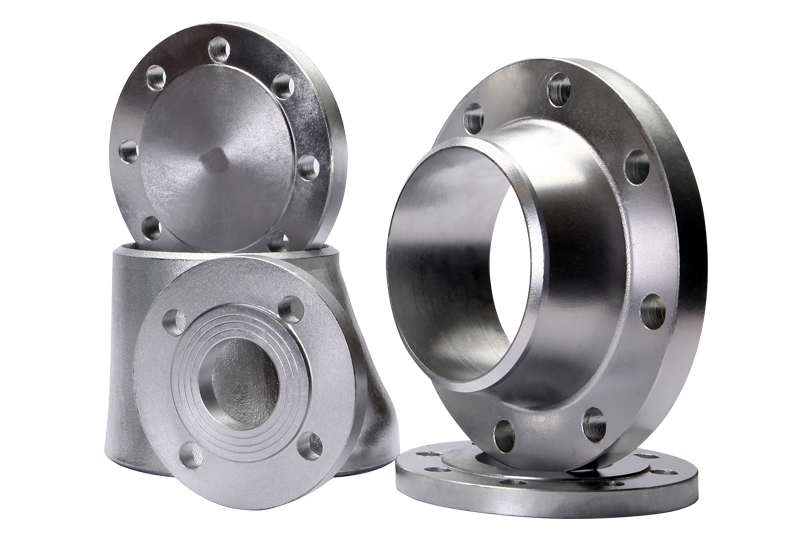
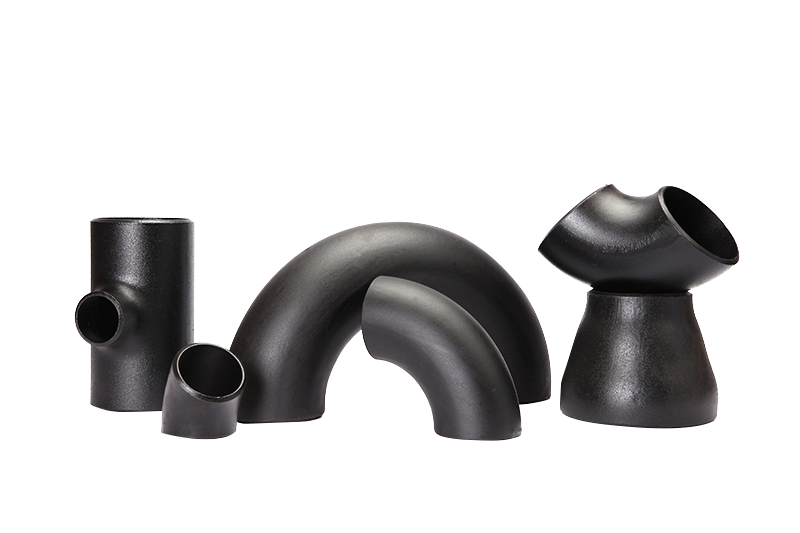
Butt welding flanges are crucial components in industrial piping systems, providing a reliable and robust connection between pipes. This type of flange is welded directly to the pipe ends, creating a strong joint that can withstand high pressures and temperatures, making it ideal for various applications in the industrial sector. Understanding the characteristics and advantages of butt welding fla
The process of butt welding involves aligning the ends of two pipes or flanges and applying heat to melt the edges, which are then fused together as they cool. This technique not only creates a seamless joint but also enhances the structural integrity of the connection. The result is a smooth transition between sections of piping, reducing turbulence and promoting better flow characteristics. This is particularly important in applications where fluid dynamics play a critical role, such as in oil and gas, chemical processing, and water treatment industries.
One of the primary advantages of butt welding flanges is their ability to handle high-stress conditions. Unlike other types of flange connections, butt welding offers superior resistance to bending and shearing forces. This makes them an excellent choice for high-pressure applications, as they minimize the risk of leaks and failures. Moreover, the smooth internal surface of butt-welded joints reduces the likelihood of corrosion and buildup, leading to longer service life and reduced maintenance costs.
Additionally, the installation of butt welding flanges can be carried out relatively quickly, especially when compared to other joining methods that may require additional components such as gaskets or bolts. This can result in significant time savings during the construction and maintenance of piping systems. However, it is essential to ensure that the welding process is performed by skilled professionals to achieve the desired quality and safety standards.
In summary, butt welding flanges are an integral part of modern industrial piping systems. Their robust design, ability to withstand high pressures, and ease of installation make them a preferred choice for many engineers and project managers. By understanding the benefits and applications of butt welding flanges, stakeholders can enhance the reliability and efficiency of their piping operations, ultimately leading to improved performance and safety in their industrial processes.
Key words:
Related News
Contact Information
Address: Longtan Industrial Zone, Yanshan County, Cangzhou City, Hebei Province
Cangzhou Hengjia Pipeline Co., Ltd.
Cangzhou Hengjia Pipeline Co., Ltd. is located in Yanshan, Hebei Province, which is the sales branch of Hebei Longrun Pipeline Group Co., Ltd.

Pay attention to WeChat