Welcome to the official website of Cangzhou Hengjia Pipeline Co., Ltd.



Understanding Welding Neck Flanges: Essential Components for Piping Systems
Release time:
2026-06-12
Welding neck flanges are a vital component in the world of piping systems, commonly used in various industrial applications. Their unique design and structural integrity make them a preferred choice for connecting pipes, fittings, and valves in high-pressure environments. This article aims to provide a comprehensive overview of welding neck flanges, highlighting their features, applications, and b
One of the defining characteristics of welding neck flanges is their long tapered neck, which provides a smooth transition from the flange to the pipe. This design helps to reduce stress concentration and minimizes the risk of leaks, making it ideal for high-pressure and high-temperature applications. The neck allows for a more robust weld joint, ensuring that the connection remains solid and durable over time.
Welding neck flanges are available in various sizes and materials, accommodating the diverse needs of industrial applications. Common materials include carbon steel, stainless steel, and alloy steel, each offering different levels of corrosion resistance and strength. When selecting a welding neck flange, it is essential to consider the operating conditions, such as temperature, pressure, and the type of fluid being transported, to ensure compatibility and longevity.
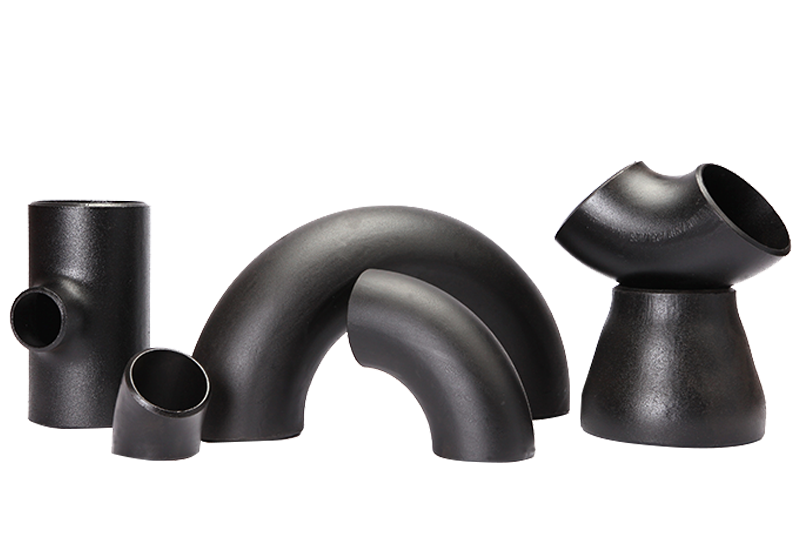
These flanges are widely used in sectors such as oil and gas, chemical processing, power generation, and water treatment. They serve as critical components in pipelines, allowing for efficient and safe transportation of fluids. Additionally, welding neck flanges can be used in conjunction with other fittings, such as elbows and tees, to create complex piping systems tailored to specific operational requirements.
One of the most significant advantages of welding neck flanges is their ability to accommodate thermal expansion. As temperatures fluctuate, pipes can expand and contract, potentially leading to joint failure in less robust connections. The design of welding neck flanges provides a degree of flexibility, allowing for movement without compromising the integrity of the joint.
Moreover, the weld quality is crucial in ensuring the overall performance of the piping system. Proper welding techniques, along with thorough inspection and testing, are essential to achieve optimal results. By investing in high-quality welding neck flanges and adhering to industry standards during installation, operators can significantly enhance the reliability and safety of their piping systems.
In conclusion, understanding welding neck flanges is essential for professionals involved in the design and maintenance of industrial piping systems. Their robust design, flexibility, and compatibility with various materials make them invaluable components in ensuring the efficient and safe transportation of fluids. By leveraging the advantages of welding neck flanges, professionals can optimize their piping projects and contribute to the overall success of their operations.
Key words:
Related News

Contact Information
Address: Longtan Industrial Zone, Yanshan County, Cangzhou City, Hebei Province
Cangzhou Hengjia Pipeline Co., Ltd.
Cangzhou Hengjia Pipeline Co., Ltd. is located in Yanshan, Hebei Province, which is the sales branch of Hebei Longrun Pipeline Group Co., Ltd.

Pay attention to WeChat