Welcome to the official website of Cangzhou Hengjia Pipeline Co., Ltd.



Understanding Plate Flat Welding Flanges: Essential Components in Pipeline Systems
Release time:
2026-04-07
Plate flat welding flanges are essential components in the construction and assembly of pipeline systems. These flanges serve as a connection point between different sections of pipes, allowing for robust and secure integration. By understanding the characteristics and applications of plate flat welding flanges, professionals can make informed decisions when designing and implementing pipeline sol
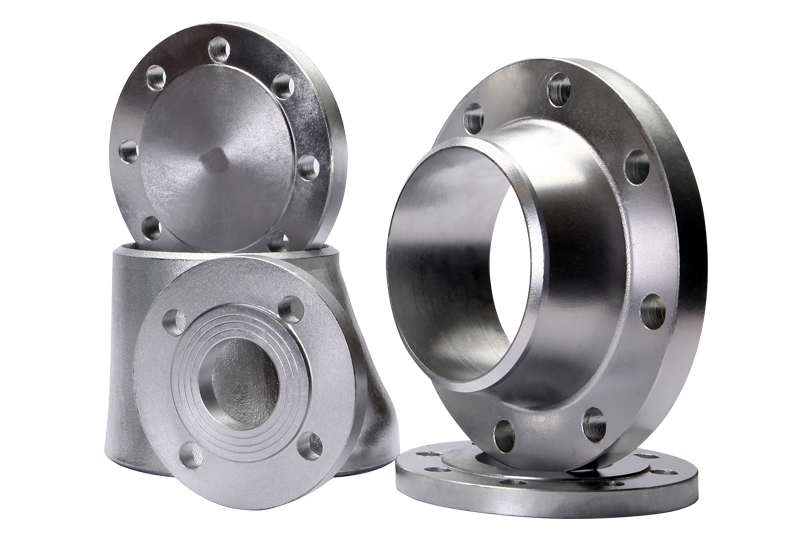
A plate flat welding flange is typically fabricated from a flat plate of metal, which is then shaped to incorporate bolt holes and a raised face or flat surface. This design allows for easy alignment and connection to corresponding flanges or pipe sections. The welding process involves fusing the flange to the pipe, creating a strong, leak-resistant joint that is capable of withstanding high pressures and temperatures.
One of the primary advantages of using plate flat welding flanges is their versatility. They can be employed in various industrial applications, including oil and gas, chemical processing, and water treatment facilities. Their robust construction makes them suitable for high-stress environments, where reliability and safety are paramount. Additionally, flat welding flanges can be customized to meet specific requirements, such as size, thickness, and material, ensuring compatibility with existing systems.
When selecting plate flat welding flanges, it is essential to consider factors such as material compatibility, pressure ratings, and temperature resistance. Common materials used in the fabrication of these flanges include carbon steel, stainless steel, and alloy materials, each providing distinct advantages depending on the operational environment. For instance, stainless steel flanges are often preferred in corrosive settings due to their resistance to rust and oxidation.
Installation of plate flat welding flanges requires careful attention to detail. Proper alignment, cleaning of surfaces, and appropriate welding techniques are critical to ensure the integrity of the joint. An effective welding process not only enhances the mechanical strength of the connection but also minimizes the risk of leaks, which can significantly impact operational efficiency and safety.
In conclusion, plate flat welding flanges play a vital role in the functionality and reliability of pipeline systems. Their design, versatility, and robust performance make them a preferred choice in various industrial applications. By understanding the key aspects of plate flat welding flanges, professionals can ensure the successful implementation of piping solutions that meet their operational needs and safety standards. Investing in high-quality flanges and adhering to best practices during installation will ultimately lead to improved system performance and longevity.
Key words:
Related News

Contact Information
Address: Longtan Industrial Zone, Yanshan County, Cangzhou City, Hebei Province
Cangzhou Hengjia Pipeline Co., Ltd.
Cangzhou Hengjia Pipeline Co., Ltd. is located in Yanshan, Hebei Province, which is the sales branch of Hebei Longrun Pipeline Group Co., Ltd.

Pay attention to WeChat