Welcome to the official website of Cangzhou Hengjia Pipeline Co., Ltd.



Understanding Butt Welding Flanges: A Key Component in Pipeline Systems
Release time:
2026-04-01
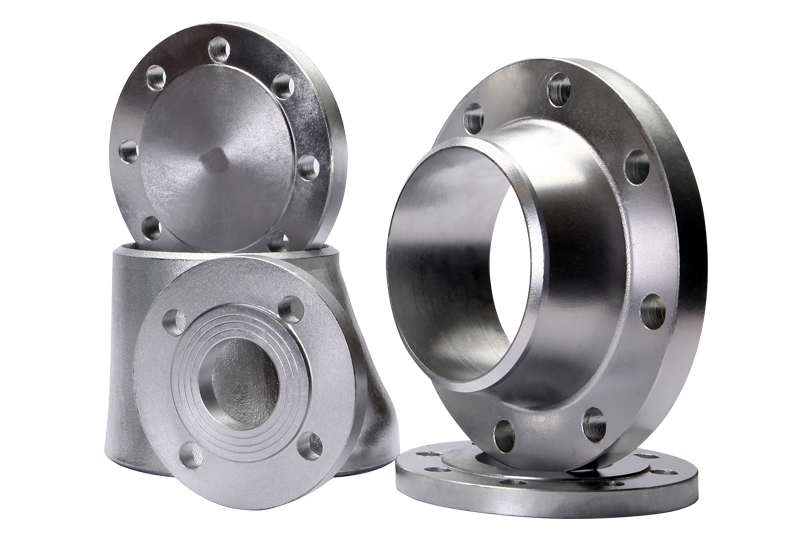
Butt welding flanges are a type of flange that allows for a strong and permanent connection between two sections of pipe. Unlike other flange types that may use bolts or screws for assembly, butt welding flanges are fused together at their edges through a welding process. This method creates a seamless joint that enhances the overall strength and reliability of the piping system. One of the primar
One of the primary benefits of butt welding flanges is their ability to handle high-pressure applications. The welded joint provides superior resistance to leakage and structural failure, making these flanges an ideal choice for critical industries such as oil and gas, chemical processing, and water treatment. The strength of the welded joint means that butt welding flanges can withstand extreme temperatures and pressures, ensuring the safe transport of various substances.
In addition to their mechanical advantages, butt welding flanges also contribute to system efficiency. Since they create a smooth interior surface, these flanges minimize turbulence and friction within the pipeline. This design aspect is vital for optimizing flow rates and reducing energy consumption in fluid transport systems.
The installation of butt welding flanges requires careful attention to detail. Professionals must ensure proper alignment and cleanliness of the joint surfaces before welding. This precision helps in achieving a high-quality weld that meets industry standards. Furthermore, the welding process itself may involve various techniques, such as TIG (Tungsten Inert Gas) or MIG (Metal Inert Gas) welding, depending on the materials being joined and the specific requirements of the application.
Butt welding flanges are versatile and can be made from various materials, including stainless steel, carbon steel, and alloy materials. The choice of material often depends on the specific environment in which the pipeline will operate. For instance, stainless steel is preferred in corrosive environments due to its excellent resistance to oxidation and rust.
In conclusion, butt welding flanges are a vital component in the infrastructure of pipeline systems. Their strength, reliability, and efficiency make them indispensable in numerous industrial applications. When considering flanges for your piping needs, understanding the benefits and installation requirements of butt welding flanges can lead to more informed decisions that enhance the durability and performance of your systems. By selecting the right materials and employing proper welding techniques, professionals can ensure the longevity and integrity of their pipeline connections.
Key words:
Related News
Contact Information
Address: Longtan Industrial Zone, Yanshan County, Cangzhou City, Hebei Province
Cangzhou Hengjia Pipeline Co., Ltd.
Cangzhou Hengjia Pipeline Co., Ltd. is located in Yanshan, Hebei Province, which is the sales branch of Hebei Longrun Pipeline Group Co., Ltd.

Pay attention to WeChat